
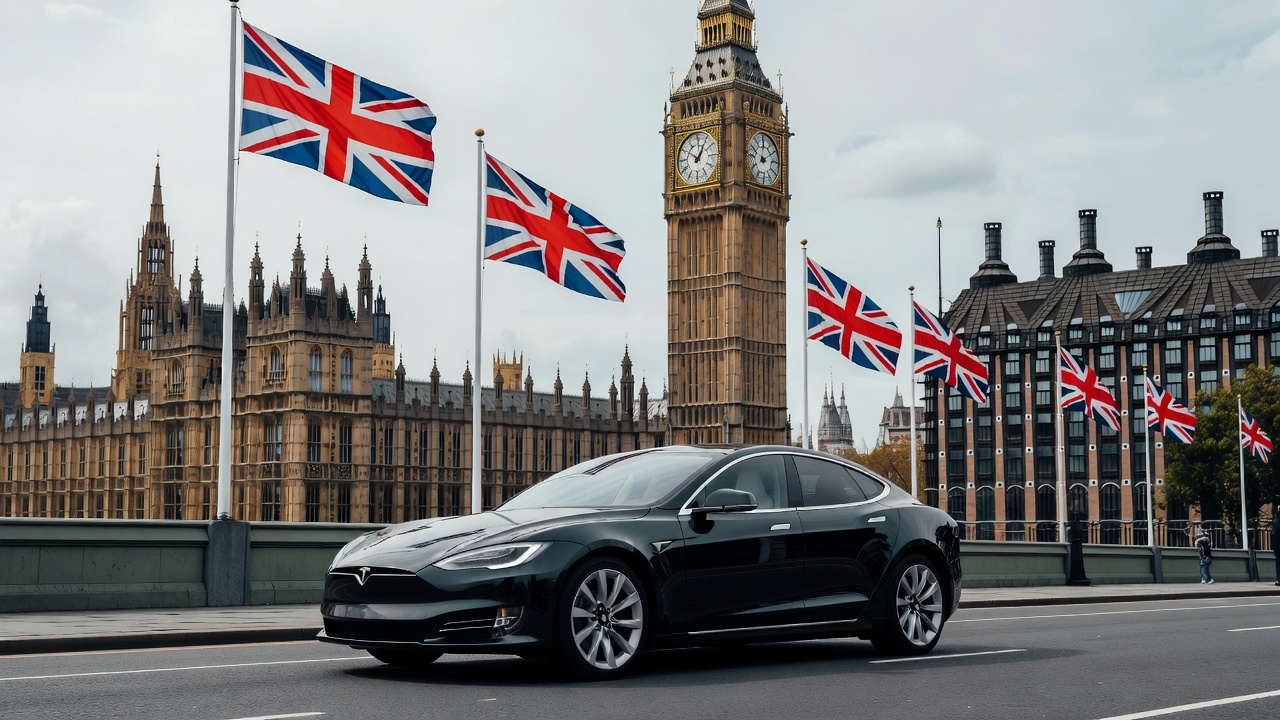
Andy Burnham, the newly elected MP for Makerfield and the only declared candidate in the current Labour leadership contest, has launched a direct critique of the UK’s approach to driverless cars. Burnham has warned against what he describes as the government’s “headlong pursuit of driverless cars in London.”
Burnham’s Central Warning on Driverless Cars
In comments reported by the Financial Times, Burnham argued that policymakers should pause and ask fundamental questions before pushing ahead with widespread autonomous vehicle deployment. He stated that the first questions should be “what’s the point and who’s it for?”
Burnham has specifically highlighted the need to consider groups who could be negatively affected by the rapid rollout of driverless technology. He explicitly mentioned black cab drivers and Uber drivers as examples of workers who could see their livelihoods disrupted without proper planning and support.
Who Is Andy Burnham?
Andy Burnham is a senior Labour politician who served as a Cabinet minister under Gordon Brown, including as Secretary of State for Health. He was Mayor of Greater Manchester from 2017 until 2026, when he stood down to return to Parliament. He was elected as the MP for Makerfield in June 2026 and is currently the only declared candidate running to become the next Labour leader. If successful, he would become Prime Minister.
Implications for Tesla FSD and Robotaxis in the UK
Burnham’s intervention is highly relevant for Tesla’s position in Britain. While supervised Full Self-Driving currently operates under existing driver assistance rules, any move toward unsupervised operations or robotaxi services would likely face significantly greater political and regulatory scrutiny if Burnham’s concerns gain traction within the Labour Party.
His emphasis on asking “what’s the point and who’s it for?” suggests that future approvals for large-scale autonomous operations could require detailed assessments of employment impact, not just technical safety. This represents a potential additional hurdle for companies hoping to deploy unsupervised robotaxis in British cities.
The Automated Vehicles Act 2024
The Automated Vehicles Act 2024 remains the main piece of legislation governing unsupervised self-driving vehicles in the UK. However, Burnham’s comments indicate that political support for rapid implementation may be weaker than previously assumed, even within the Labour Party. The Act was designed primarily for commercial, unsupervised fully self-driving operations rather than supervised systems such as Tesla FSD.
Current Trials in London
Several autonomous vehicle trials are currently active in London, including operations by Wayve. These trials continue under existing frameworks, but Burnham’s remarks suggest that any significant expansion could now face stronger political resistance and calls for broader social and economic impact assessments.
Key Points from Burnham’s Position
- Criticised the “headlong pursuit of driverless cars in London”
- Argued policymakers must first ask “what’s the point and who’s it for?”
- Called for plans to support groups affected by the technology, specifically naming black cab drivers and Uber drivers
- Stressed the need for proper planning before expanding autonomous vehicle operations
Regulatory Comparison
| Region | Unsupervised / Robotaxi | Political Direction |
|---|---|---|
| United Kingdom | Under review | Increasing caution |
| United States | State dependent | Mixed |
| China | National permits | Supportive |
| European Union | Type approval required | Cautious |
Outlook
Andy Burnham’s comments represent one of the most direct political challenges yet to the UK’s current trajectory on autonomous vehicles. By questioning the purpose of driverless cars and highlighting the potential impact on traditional drivers, he has introduced employment and social fairness considerations into the regulatory debate.
For Tesla and other companies developing FSD and robotaxi services, this suggests that the path to unsupervised operations in the United Kingdom may be more politically complex than previously expected. As the only declared candidate for the Labour leadership, Burnham’s views are likely to carry significant weight in shaping future policy.