
As Tesla advances its Full Self-Driving (FSD) updates, concerns about responsibility in accidents are becoming more prominent. The UK’s Automated Vehicles Act 2024 provides clarity regarding this transition. It establishes guidelines for managing claims when self-driving technology is in control. This guide outlines the Act’s implications for everyday Tesla owners and future robotaxi fleets. You will discover how it protects you, whether you’re using supervised mode or considering unsupervised rides.
What Changes for Tesla Owners Under the New Act?
The Automated Vehicles Act represents a significant milestone for self-driving cars in the UK. Passed in May 2024, the act emphasizes safety and fair accountability. For Tesla FSD (Full Self-Driving) users, this means reduced personal risk when the system is in control. However, it’s important to pay attention to the details, particularly regarding insurance.
How Does Supervised FSD Fit Into the Rules?
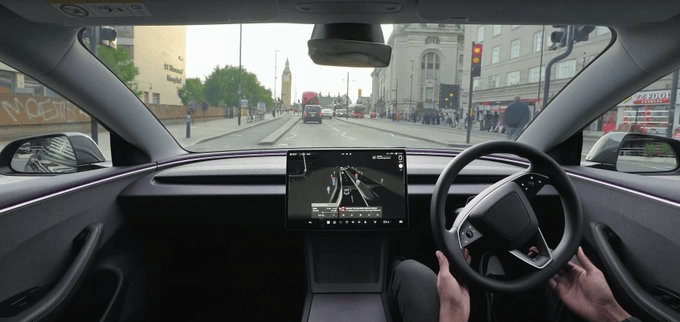
Supervised Full Self-Driving (FSD) keeps you, the user, in control. You are responsible for monitoring the road and intervening if necessary.
The Act lightens your responsibility. Section 47 states that you are not liable for how the vehicle drives itself, including any steering or braking errors made by the software.
However, you still need to keep track of basic responsibilities, such as wearing seatbelts and obeying speed limits. This setup helps build trust in Tesla’s technology without requiring you to relinquish full control. Imagine driving on the M25 with your hands off the wheel but your eyes on the road. If a glitch causes an incident, your insurance will be the first line of support.
What About Unsupervised FSD on Consumer Cars?
Unsupervised mode means no one watches over the drive. It’s closer to true autonomy, like parking while you nap. The Act demands vehicles pass a “self-driving test” for this. Tesla must get authorization proving safety.
Liability flips to the “authorized self-driving entity”, likely Tesla itself. Section 26 puts the company in the hot seat for accidents. As an owner, you focus on maintenance, not mishaps. This encourages wider adoption of FSD among UK Tesla owners.
Who Pays When FSD Causes an Accident?
In supervised mode, your insurer handles claims upfront. They can later chase Tesla if the software fails. This “no-fault” approach speeds payouts. For unsupervised drives, operators or makers like Tesla bear the cost. Section 2 enforces safety standards, tying insurance to compliance.
Can You Still Drive Manually Without Worry?
Yes, the Act doesn’t touch manual mode. Your standard policy applies as always. Check with providers like those recommended by the Association of British Insurers for tailored plans.
How Will Liability Shift for Tesla Robotaxi Rides?
But what about RoboTaxis? For commercial operations, the licensed entity becomes liable. Section 12 requires permits for unsupervised services. If a robotaxi swerves, the operator (not you) faces blame.
This setup mirrors ride-hailing today but without drivers. Passengers gain protection through operator insurance. The Act’s Part 5 adds rules for taxi-like services, ensuring consent and safety.
What Insurance Issues do Robotaxi Operators face?
Operators must carry hefty coverage. It’s not just the vehicles; it’s the whole system:
This table maps liability to personal use:
| Aspect | Consumer-Owned FSD (Supervised) | Consumer-Owned FSD (Unsupervised) | Commercial Robotaxis |
|---|---|---|---|
| Primary Liability | Insurer (recover from Tesla) | Tesla/Authorized Entity | Operator/Tesla |
| User Role | Monitor and intervene | None (passenger or owner) | Passenger only |
| Insurance Focus | Driver + Automated Add-On | Vehicle/System Coverage | Fleet + Tech |
| Key Act Section | 47 (Exempt from driving manner) | 26 (Entity Responsible) | 12 (Operator License) |
This framework cuts the confusion, boosting investor and consumer confidence in Tesla’s plans.
How Might Premiums Evolve with Widespread FSD?
Data from drives should reshape insurance rates. Safer records could trim costs by 20% or more, per early estimates.
Frequently Asked Questions
Does the Automated Vehicles Act Apply to All Teslas?
No, only authorized self-driving models. Tesla must certify FSD to meet safety tests.
When will Tesla’s self-driving be available in the UK?
We believe Tesla is ready to launch in the UK, but the UK government appears cautious. We suspect that they’re waiting to see what happens in Europe (Where FSD demo rides are happening through to March 2026).
We suspect that, after commercial operators launch, we will see supervised FSD on UK roads around 2026, with unsupervised FSD towards the end of 2027, once regulatory frameworks, such as new FSD vehicle testing systems, are in place.
Who Covers Repairs After an FSD Accident?
Your insurer pays first, then seeks recovery from Tesla if needed.
Can I Use Unsupervised FSD Right Now?
Not yet. The rollout waits on full authorization, expected in phases from 2026.
How Does This Affect Imported Teslas?
The Act covers UK roads, so imports are subject to the same rules once registered.
Will Robotaxis Change My Personal Insurance?
Indirectly, yes. Fleet data might lower overall rates through better risk models.
Will Tesla Robotaxi come to the UK?
With the UK having finalised and approved new legislation for RoboTaxi-style operations, we are almost sure that RoboTaxis will arrive in the UK. Furthermore, Waymo recently announced plans to operate in the UK in 2026.
Final Thoughts
The Automated Vehicles Act offers a path for Tesla’s FSD future. It shields owners from undue blame while holding tech makers accountable, which should help greatly with the adoption of FSD in consumer cars.
Join the free newsletter for updates to the FSD program in your area.
Subscribe