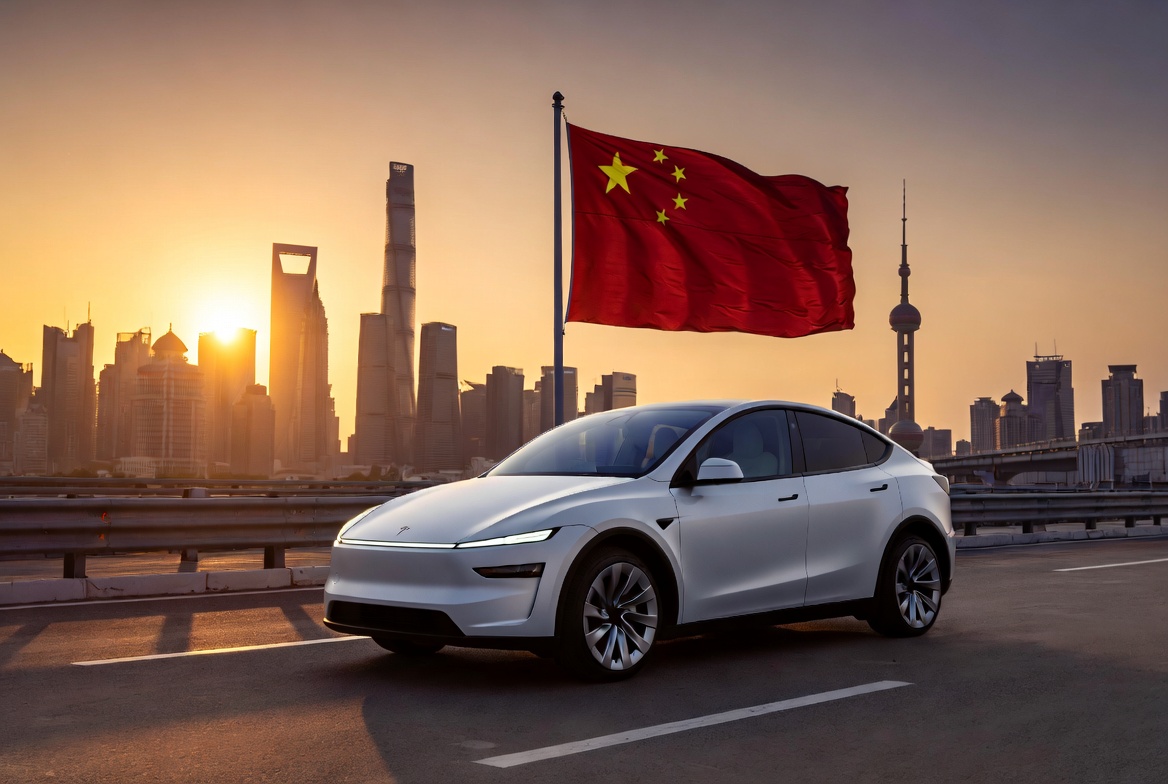
In a landmark development for the global automotive industry, China has officially approved Tesla’s Full Self-Driving (FSD) technology. This milestone marks a major step forward for Tesla FSD China and the broader advancement of self-driving capabilities in China. The approval, granted in May 2026, allows eligible Tesla vehicles to activate advanced supervised autonomous features on public roads. It comes after years of regulatory engagement, technological adaptation, and data localization efforts by Tesla. This article examines the history of Tesla’s autonomous driving initiatives in China, the regulatory bodies and processes involved in approval, the recent China FSD renaming, and key details on FSD China costs and subscription options.
History of Tesla’s Autonomous Driving Efforts in China
Tesla first entered the Chinese market early, but its presence grew substantially with the opening of the Shanghai Gigafactory in 2019. This facility enabled localized production of the Model 3 and Model Y, both of which were equipped with Autopilot hardware. Early versions of Autopilot offered basic features such as adaptive cruise control and lane keeping. However, full FSD capabilities faced significant regulatory hurdles related to data security and mapping requirements.
Between 2020 and 2023, Tesla navigated strict Chinese data laws that required all vehicle data to be processed locally. The company established a data center in Shanghai to comply with these rules and address concerns from authorities about cross-border data transfers. Elon Musk’s visits to Beijing in 2023 and 2024 helped facilitate dialogue with officials, leading to incremental approvals for testing. By 2025, Tesla had conducted extensive pilot programs in cities like Shanghai and Beijing, gathering localized data to train its neural networks for China-specific traffic conditions, signage, and driving behaviors.
This history reflects both technological progress and adaptation to the competitive self-driving landscape in China. Domestic players like XPeng, Huawei, and Baidu advanced their own ADAS systems during this period, pushing Tesla to demonstrate superior safety and performance. The eventual approval of Tesla FSD in China in 2026 represents the culmination of persistent efforts in localization, safety validation, and regulatory compliance.
The Regulatory Approval Process and Key Bodies
The approval of Tesla FSD involved coordination among several key regulatory bodies. The Ministry of Industry and Information Technology (MIIT) played the central role in certifying the technology for intelligent connected vehicles. Working alongside MIIT was the Cyberspace Administration of China (CAC), which oversaw data security and localization requirements.
Tesla’s path to approval began with applications for data processing permissions in 2024. After establishing onshore data centers and partnering with licensed mapping providers, the company demonstrated compliance through extensive testing. Successful pilots in designated zones led to the final MIIT approval in early 2026 for supervised FSD deployment. The process emphasized driver supervision, real-time monitoring, and safety reporting, aligning with China’s cautious approach to higher levels of automation. For more details on official standards, see Tesla’s Autopilot support page.
Recent China FSD Rename and Branding Changes
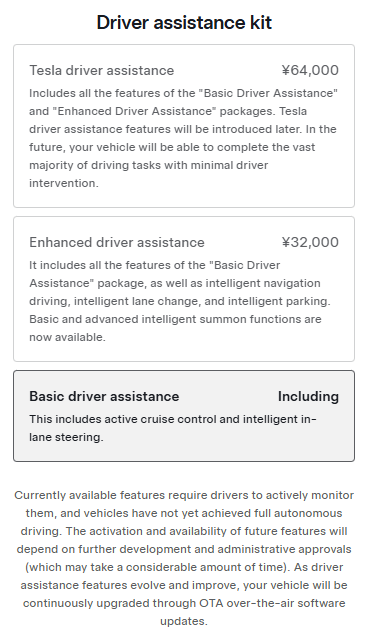
Alongside the approval, Tesla implemented a notable Renaming of FSD in China. The company shifted from marketing the feature as “Full Self-Driving” to “FSD (Supervised)” in both global and localized Chinese interfaces. This change reflects regulatory requirements to avoid implying complete autonomy for a system that currently operates at Level 2+ and requires active driver attention. In China, the rebranded term was changed again in May 2026 to reflect local preferences. The new name in China is now “Tesla Driver Assistance” (translated) thereby reducing legal risks and setting clearer consumer expectations.
The rename supports transparency and builds trust. It mirrors adjustments by domestic competitors and facilitates future progression toward unsupervised capabilities as regulations evolve. This strategic China FSD rename is expected to aid the smoother rollout of Tesla FSD features in China.
FSD China Cost and Subscription Models
Pricing is a key factor for adoption. The current cost for a one-time purchase is approximately 59,900 RMB (around $8,300 USD). This provides lifetime access to FSD updates. For greater flexibility, the FSD China subscription is available starting at around 599 RMB per month. This option allows owners to temporarily activate features, making advanced autonomy more accessible without a large upfront investment.
| Model | One-Time Cost | Monthly Subscription | Key Features |
|---|---|---|---|
| Tesla FSD China | 64,400 (~9,000 USD) | Estimated 599 once available | Supervised city navigation, traffic light recognition, auto lane change |
| US FSD | Unavailable | 99 USD | Similar features with different regulatory oversight |
These prices are competitive in the Chinese market and reflect adjustments to local economic conditions and competition. Bundles with new vehicle purchases and occasional promotions further reduce the effective FSD cost.
Implications and Future Outlook
The approval positions Tesla more strongly against domestic rivals and supports its long-term Robotaxi ambitions. It accelerates innovation in self-driving China by encouraging infrastructure development and data sharing. Challenges remain around public trust, edge-case handling, and progression to unsupervised driving, but the foundation is now established for broader adoption.
FAQ
What is the significance of China approving Tesla’s Full Self-Driving technology?
China’s approval of Tesla’s Full Self-Driving (FSD) technology marks a major milestone, allowing eligible Tesla vehicles to activate advanced autonomous features on public roads and representing a significant advancement in self-driving capabilities within China.
How has Tesla adapted its autonomous driving efforts to Chinese regulations?
Tesla adapted to Chinese regulations by establishing a data center in Shanghai, complying with local data laws, conducting extensive local pilot programs, and training neural networks with China-specific traffic data, all of which facilitated the approval of FSD in China.
Which regulatory bodies were involved in approving Tesla FSD in China?
The main regulatory bodies involved were the Ministry of Industry and Information Technology (MIIT), responsible for certifying connected-vehicle technology, and the Cyberspace Administration of China (CAC), which oversees data security and localization.
What is the reason behind the recent renaming of Tesla FSD in China to ‘Tesla Driver Assistance’?
The renaming to ‘Tesla Assisted Driving’ reflects regulatory requirements to avoid implying full autonomy, clarifies that the system requires active driver supervision, and helps reduce legal risks while aligning with local expectations.
What are the current costs and subscription options for Tesla FSD in China?
The one-time purchase price for Tesla FSD in China is approximately 64,400 RMB (around $9,000 USD), offering lifetime updates, while the subscription is unavailable but could start at about 599 RMB per month, providing flexible access to advanced driver-assist features.
Subscribe here for email alerts when FSD becomes available in your area.